Current Projects
The following are recent and ongoing projects.
I am actively seeking new opportunities to continue my work at the intersection of games and learning, particularly interested in (a) opportunities to build better game-based learning curricula and (b) opportunities to explore the acquisition and transfer of cognitive, soft, or life skills from game-play.
If you are interested in collaborating on any projects in the following areas or also interested in these ideas, please reach out!
Reflective Agents for Extended Reality Learning Environments
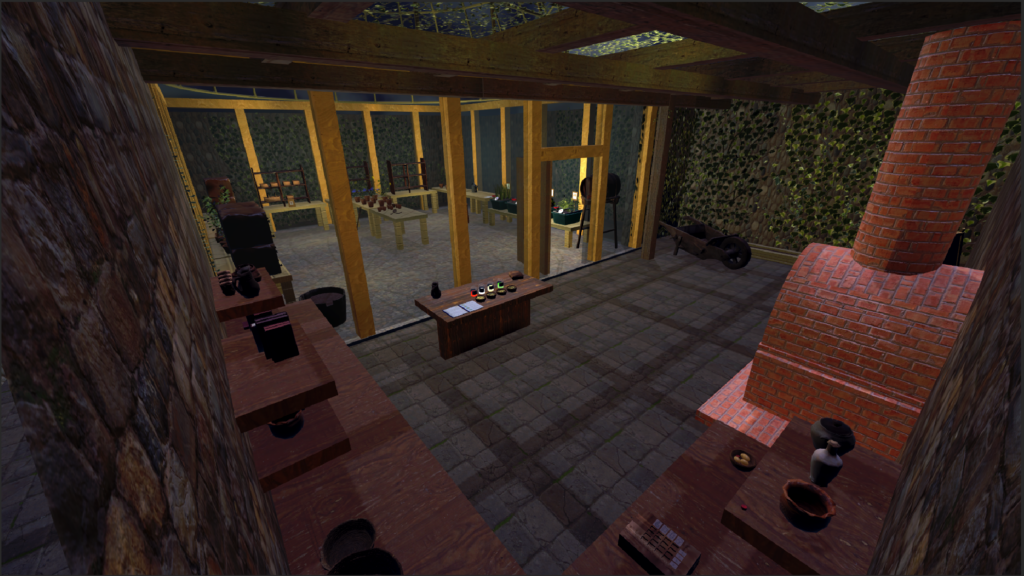
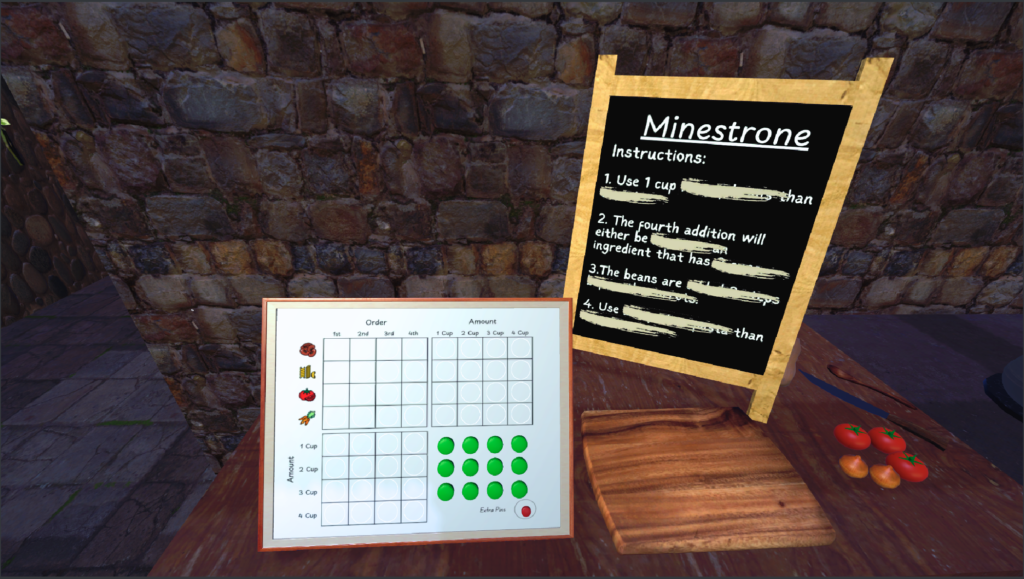
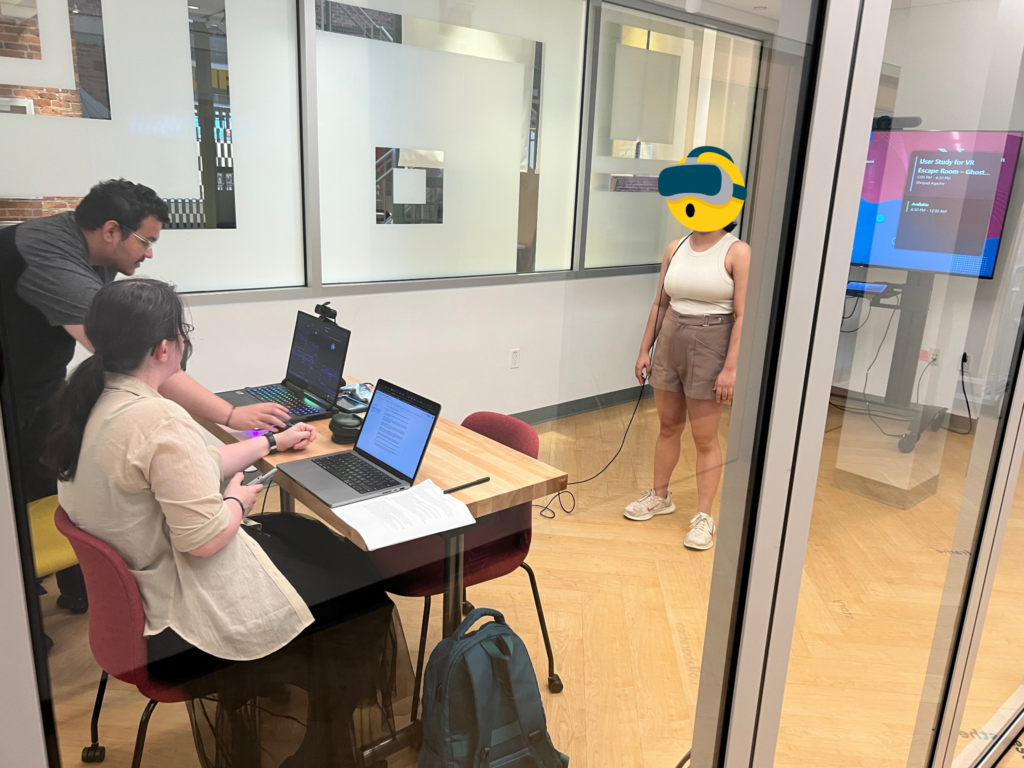
Extended reality learning environments (XRLEs) engage students in immersive educational experiences, but function best when students have the chance to reflect on their actions. This project seeks to revolutionize the critical act of reflection by empowering learners with an AI that prompts them to deepen their critical thinking while engaging in problem-solving tasks in a virtual escape room. In doing so, we address the problem that, while reflection is critical to the learning process, there are not yet adequate ways to engage meaningfully with reflection-in-action in interactive and extended reality immersive learning environments. This work is currently funded by the NSF (#2418612) and I am a Co-PI on the project.
Relevant Publications:
- TO APPEAR (November 2026): Kleinman, E., Agashe, S. S., Jahani, R., Shyne, F. M., Facey, K., McGivney, E., Cooper, S., and Harteveld, C. 2026. Virtual Reality Check: Checking Design Considerations for Reflection in Educational Virtual Reality Escape Rooms with Users. Proc. ACM Hum.-Comput. Interact. 10, 7, Article GAMES026 (November 2026), 26 pages.
- McGivney, E., Olarinde, O., Kleinman, E., (2026, June). “How Are You Solving That?”: Improving Learning in Virtual Reality With a Reflective AI Agent. In General Proceedings of the 6th Annual Meeting of the International Society of the Learning Sciences (pp. 195-198)
- Kleinman, E., Jahani, R., McGivney, E., Kosa, M., Cooper, S., & Harteveld, C. (2025, April). From Locked Rooms to Open Minds: Escape Room Best Practices to Enhance Reflection in Extended Reality Learning Environments. In Proceedings of the 2025 CHI Conference on Human Factors in Computing Systems (pp. 1-16).
- Kleinman, E., & Harteveld, C. (2024, October). The Untapped Potential of Escape Rooms as Gamified Research Environments. In Companion Proceedings of the 2024 Annual Symposium on Computer-Human Interaction in Play (pp. 276-278).
Self-Regulated Learning in Esports
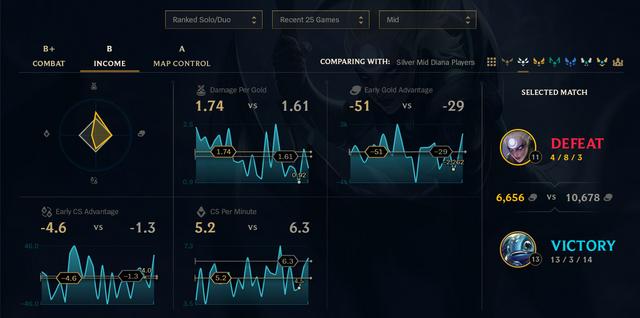
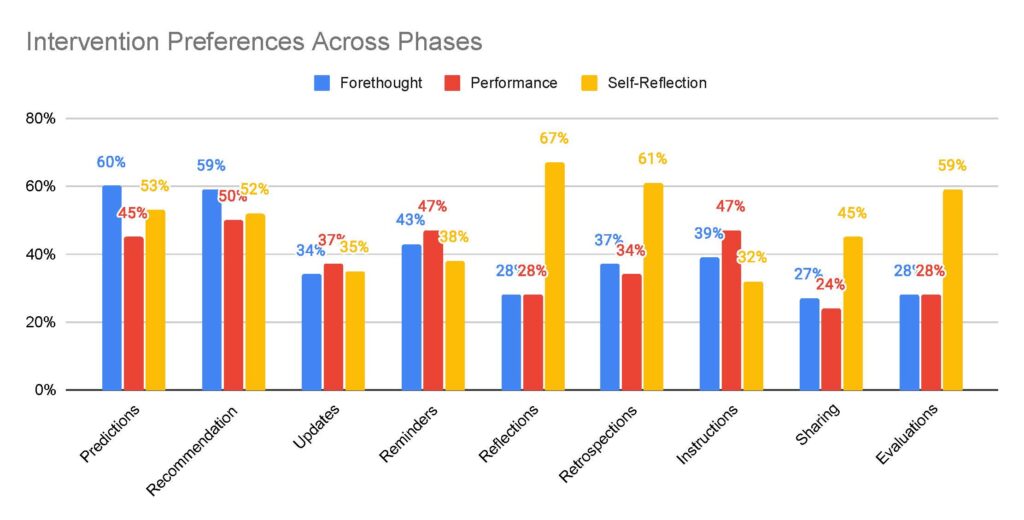
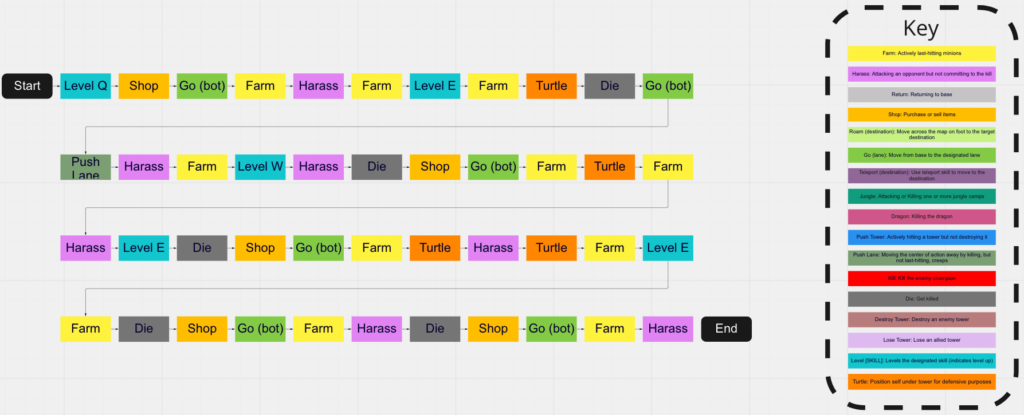
Continuing from my dissertation work, I continue to explore, in a user-centric manner and through the lens of the Cyclical Phase Model of Self-Regulated Learning, how players learn to play and master complex games and how we can better support these processes through computational support. Self-regulated learning describes how users are able to manage their own learning process, leading to intrinsically motivated acquisition and internalization of knowledge and skill. This work demonstrates how esports play leads to the development of critical self-regulated learning skills, can be used to train these skills, and how these skills can transfer to high-impact domains.
Relevant Publications:
- Trotter, M., Gredin, V., Kleinman, E., Wadenholt, G., & Svensson, J. (2026). Decision-Making and Strategic Thinking in Esports. In The Psychology of Esports Performance (pp. 75-95). Routledge. (Book Chapter)
- Kleinman, E., Xu, J., Pfau, J., & Seif El-Nasr, M. (2024). “Trust the Process”: An Exploratory Study of Process Visualizations for Self-Reflection in League of Legends. Proceedings of the ACM on Human-Computer Interaction, 8(CHI PLAY), 1-28.
- Kleinman, E., Habibi, R., Powell, G. B., Reeves, B., Prather, J., & Seif El-Nasr, M. (2024, May). “Backseat Gaming” A Study of Co-Regulated Learning within a Collegiate Male Esports Community. In Proceedings of the 2024 CHI Conference on Human Factors in Computing Systems (pp. 1-14).
- Kleinman, E., Habibi, R., Yao, Y., Gayle, C., & Seif El-Nasr, M. (2022). ” A Time and Phase for Everything”-Towards A Self Regulated Learning Perspective on Computational Support for Esports. Proceedings of the ACM on Human-Computer Interaction, 6(CHI PLAY), 1-27.
- Kleinman, E., Shergadwala, M. N., & Seif El-Nasr, M. (2022, April). Kills, deaths, and (computational) assists: Identifying opportunities for computational support in esport learning. In Proceedings of the 2022 chi conference on human factors in computing systems (pp. 1-13).
- Kleinman, E., Gayle, C., & Seif El-Nasr, M. (2021). “Because I’m Bad at the Game!” A Microanalytic Study of Self Regulated Learning in League of Legends. Frontiers in psychology, 12, 780234.
Supporting Professional Esports Coaching (in collaboration with Yonsei University, South Korea)
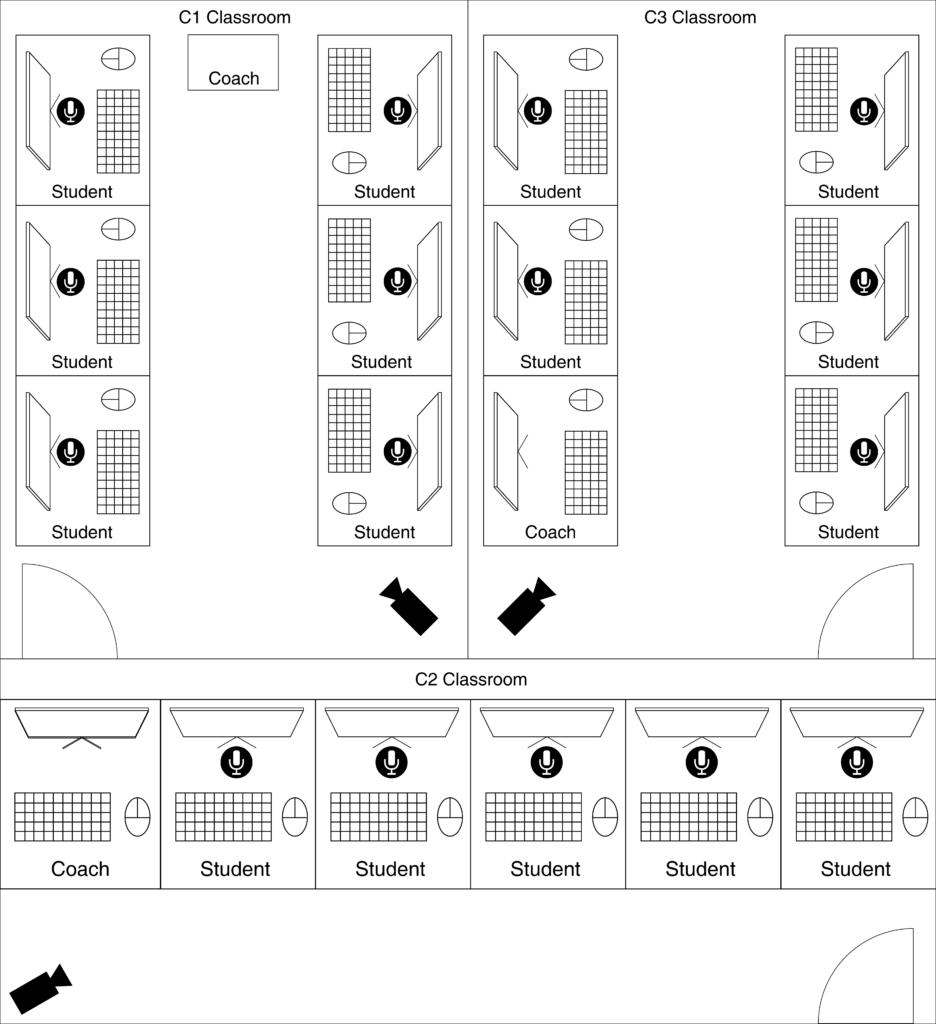
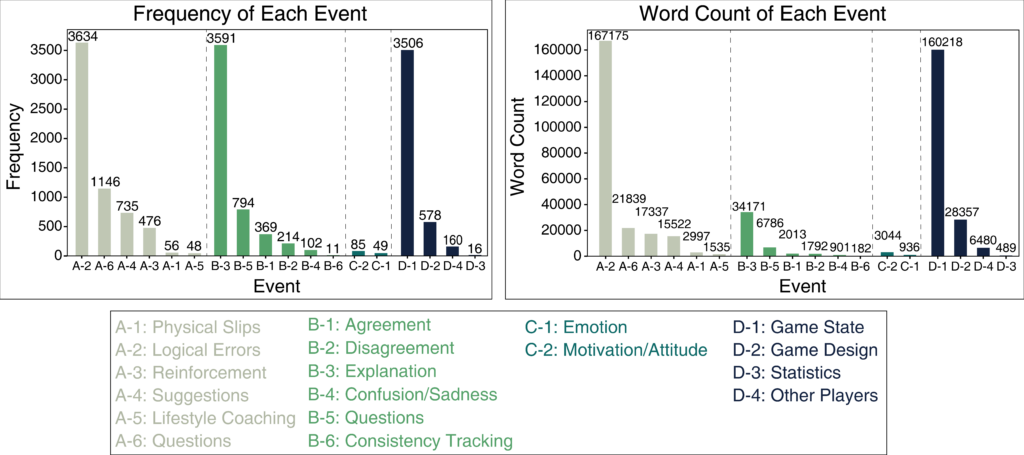
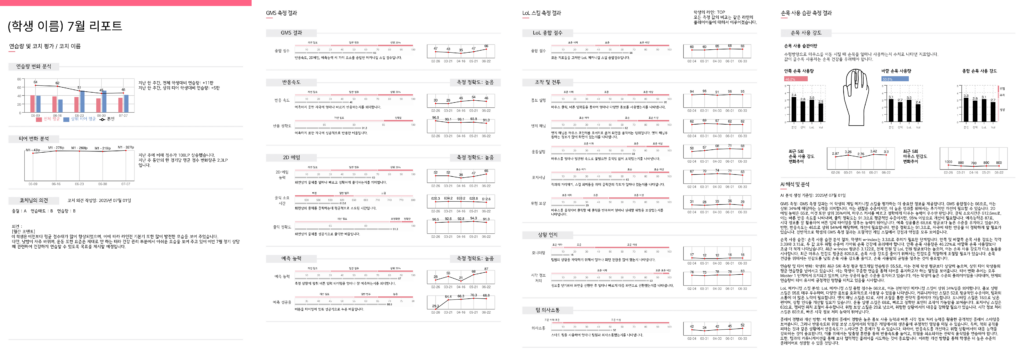
As esports grows into a multi-million dollar industry of professional players and competitions, so too grows the interest in and need for professional coaching. Accordingly, there are increased demands and attempts to support and improve coaching for esports. This research collaboration with Yonsei University in South Korea is studying the coaching processes of professional esports coaches, identifying opportunities for computational support, and exploring the challenges to adoption of novel tools in practice.
Relevant Publications:
- Kleinman, E., Kim, S., Kim, S., Lee, H., Kim, J., Kang, D., … & Lee, B. (2026, April). ” Do I Really Need This?”: Illuminating Challenges in Integrating Computational Training Tools in Esports Coaching. In Proceedings of the 2026 CHI Conference on Human Factors in Computing Systems (pp. 1-18).
- Lee, H., Kleinman, E., Kim, N., Park, S., Harteveld, C., & Lee, B. (2025, April). Crafting champions: an observation study of esports coaching processes. In Proceedings of the 2025 CHI Conference on Human Factors in Computing Systems (pp. 1-20).
Advancing Game-Based Learning
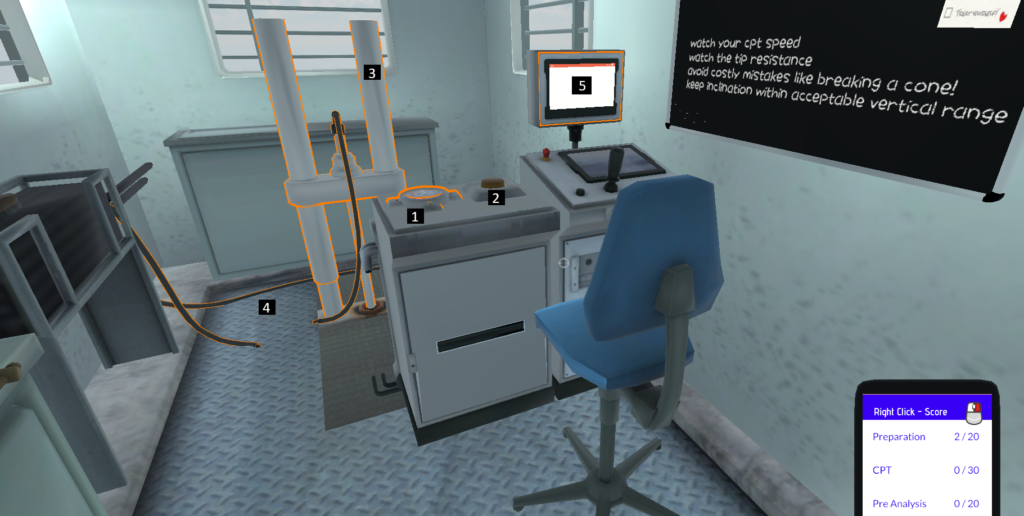
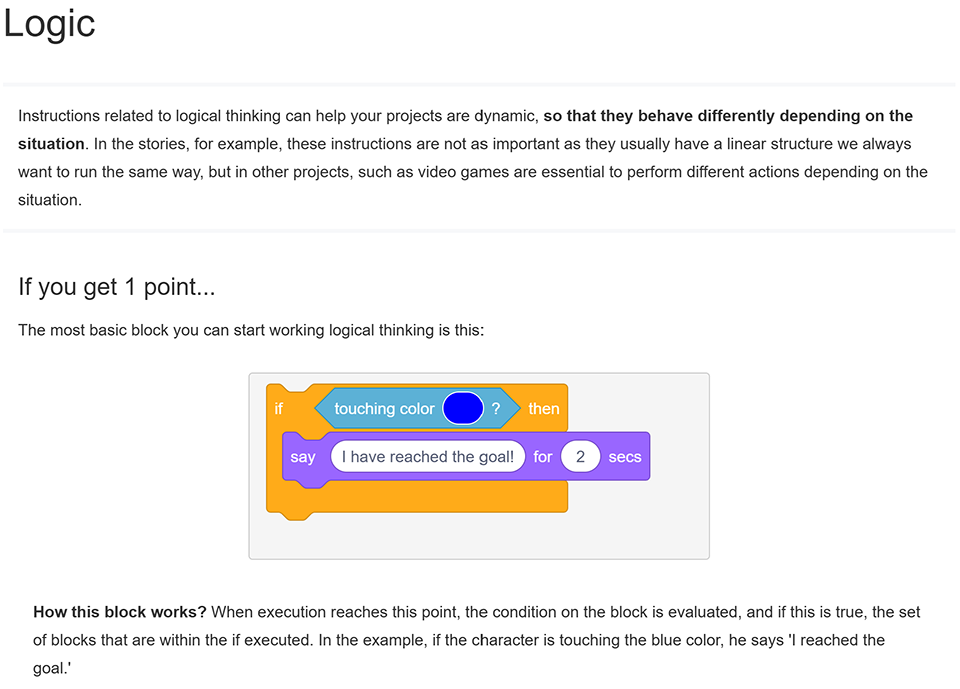
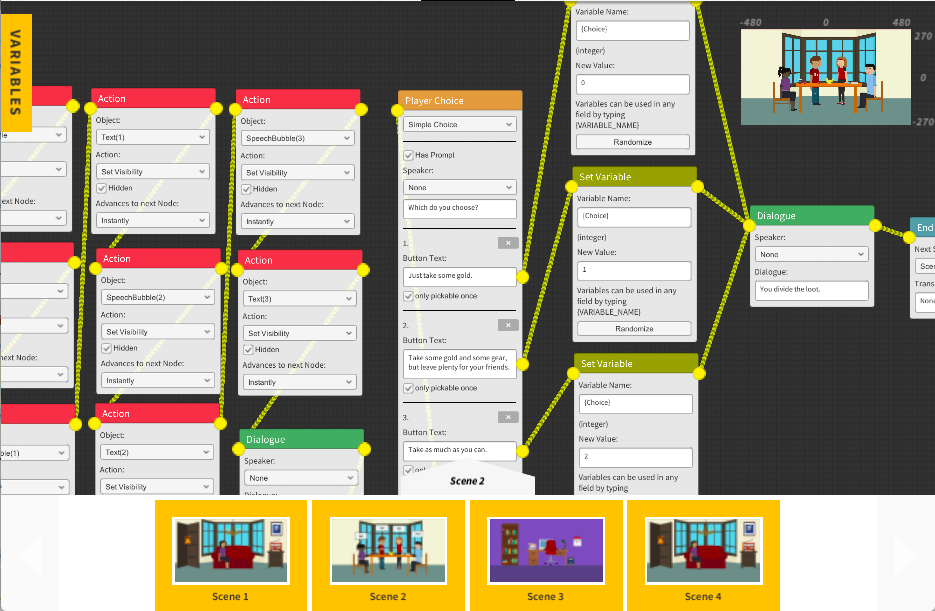
I have been working on various projects to advance the domain of game-based learning since my time as a masters student. Now, as co-director of the Ghost Lab, I am actively involved in numerous projects related to game-based learning across various domains. Notable projects I am involved in under this research thrust include GeoExplorer, a simulation game for geo-technical engineering undergraduate courses, Dr. Scratch, an intelligent tool for evaluating and guiding scratch projects, and StudyCrafter, a block-based game development engine that allows students and educators to create their own games based around relevant topics. These projects have been supported by the NSF under various grants.
Relevant Publications:
- Troiano, G., Cassidy, M., Kleinman, E., Puttick, G., Harteveld, C., (2026 June) “Are You OK, Dr. Scratch?” Bridging the Gap Between Automated Computational Thinking Metrics and Classroom Realities. In Proceedings of the 25th Annual ACM Interaction Design and Children Conference (pp. 619 – 638)
- Harteveld, C., Javvaji, N., Mohaddesi, O., Kleinman, E., Daniels, K., Jackson, D., & Troiano, G. M. (2024, July). RePresent: Enabling Access to Justice for Pro Se Litigants via Co-Authored Serious Games. In Proceedings of the 2024 ACM Designing Interactive Systems Conference (pp. 3225-3242).
- Jemmali, C., Kleinman, E., Bunian, S., Almeda, M. V., Rowe, E., & Seif El-Nasr, M. (2020, February). MAADS: Mixed-methods approach for the analysis of debugging sequences of beginner programmers. In Proceedings of the 51st ACM technical symposium on computer science education (pp. 86-92).
- Almeda, M. V., Kleinman, E., Jemmali, C., Ithier, C., Rowe, E., & Seif El-Nasr, M. (2020, February). Labeling debugging in may’s journey gameplay. In Proceedings of the 51st ACM Technical Symposium on Computer Science Education (pp. 1314-1314).
- Jemmali, C., Kleinman, E., Bunian, S., Almeda, M. V., Rowe, E., & El-Nasr, M. S. (2019, August). Using game design mechanics as metaphors to enhance learning of introductory programming concepts. In Proceedings of the 14th International Conference on the Foundations of Digital Games (pp. 1-5).
Old Projects
The following projects were completed during my time as a graduate student. While not active research areas for me at this time, I am happy to discuss this work with those interested or explore potential future collaborations!
Learner Models and Data Dashboards for Educational Games
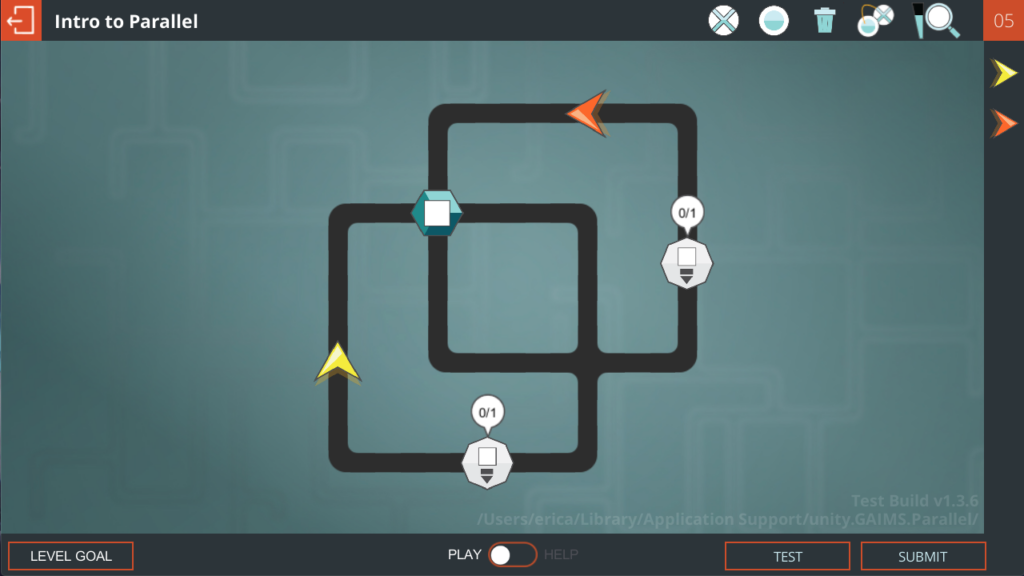
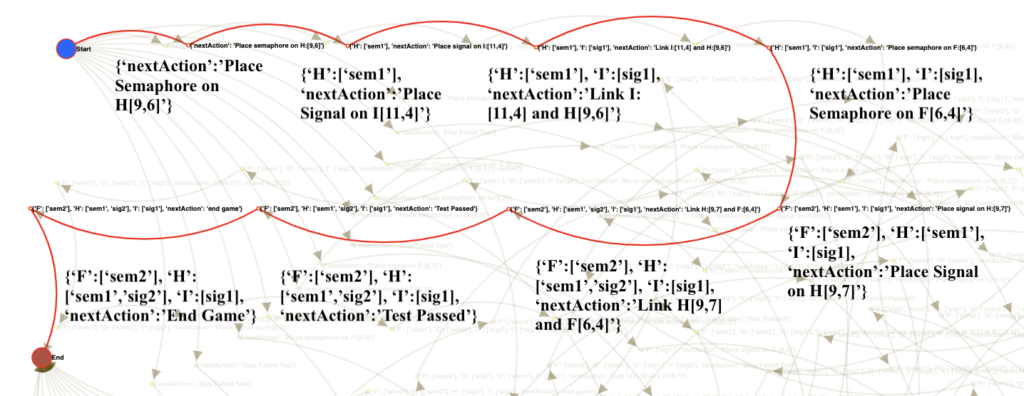
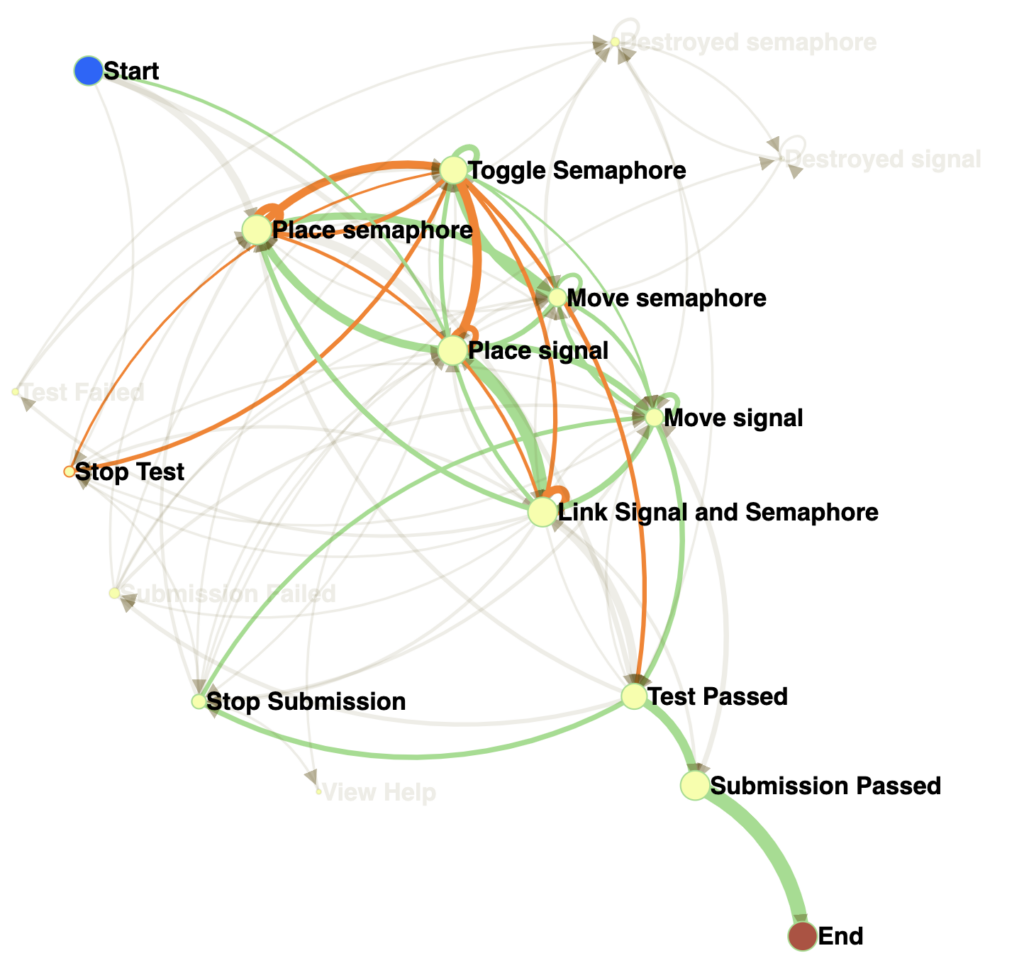
Educational games are promising as experiential, engaging learning opportunities, but there are open questions about the best way to augment these processes. This work explored the potential of open community learner models, which made educational game players’ data available to one another, for augmenting reflection and learning in educational gaming contexts. This work was supported by the NSF (#1917855) and intersected heavily with the work on self-regulated learning on esports, which informed new ways of presenting educational gameplay data to users.
Relevant Publications
- Maram, S. S., Kleinman, E., Villareale, J., Zhu, J., & Seif El-Nasr, M. (2024, May). ” Ah! I see”-Facilitating Process Reflection in Gameplay through a Novel Spatio-Temporal Visualization System. In Proceedings of the 2024 CHI Conference on Human Factors in Computing Systems (pp. 1-19).
- Kleinman, E., Villareale, J., Shergadwala, M. N., Teng, Z., Bryant, A., Zhu, J., & El-Nasr, M. S. (2023, April). ” What else can I do?” Examining the Impact of Community Data on Adaptation and Quality of Reflection in an Educational Game. In Proceedings of the 2023 CHI Conference on Human Factors in Computing Systems (pp. 1-12).
- Kleinman, E., Villareale, J., Shergadwala, M., Teng, Z., Bryant, A., Zhu, J., & El-Nasr, M. S. (2022, October). Towards an understanding of how players make meaning from post-play process visualizations. In International Conference on Entertainment Computing (pp. 47-58). Cham: Springer International Publishing.
- Kleinman, E., Shergadwala, M., Seif El-Nasr, M., Teng, Z., Villareale, J., Bryant, A., & Zhu, J. (2022). Analyzing students’ problem-solving sequences: A human-in-the-loop approach. Journal of learning analytics.
Analyzing Complex Behavior in Esports
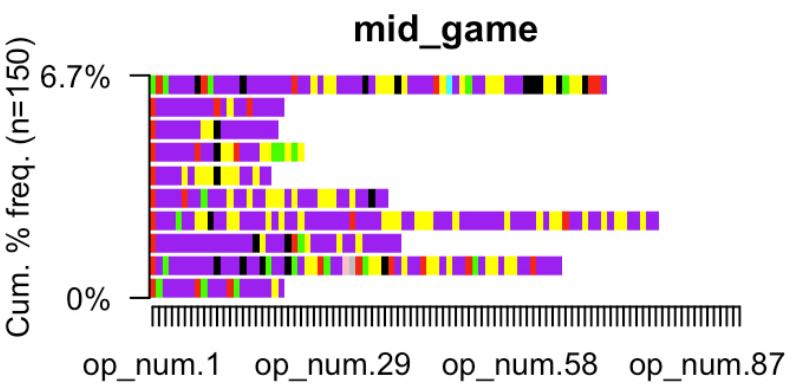
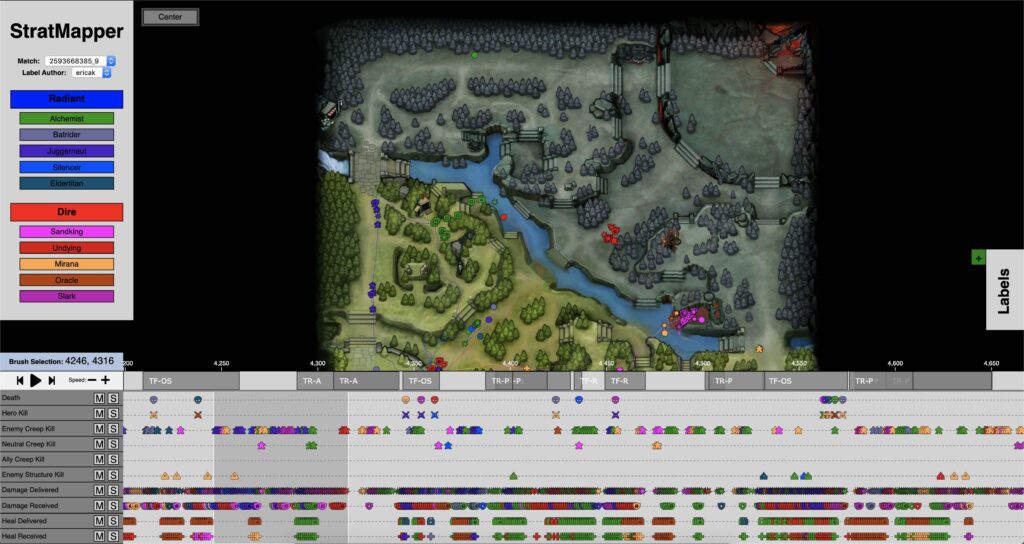
Many successful games rely heavily on data analytics to understand players and inform design. Popular methodologies focus on machine learning and statistical analysis of aggregated data. While effective in extracting information regarding player action, much of the context regarding when and how those actions occurred is lost. Qualitative methods allow researchers to examine context and derive meaningful explanations about the goals and motivations behind player behavior, but are difficult to scale. This work explored how novel approaches to data-visualization could create effective human-in-the-loop methodologies for analyzing complex behaviors in scalable, but context-sensitive and human-readable ways.

Relevant Publications:
- Kleinman, E., Lynn, S., Loyall, B., & El-Nasr, M. S. (2023, April). Towards a Human-in-the-Loop System for Authoring Game AI using Behavior Languages. In Proceedings of the 18th International Conference on the Foundations of Digital Games (pp. 1-4).
- Kleinman, E., Preetham, N., Teng, Z., Bryant, A., & Seif El-Nasr, M. (2021). ” What Happened Here!?” A Taxonomy for User Interaction with Spatio-Temporal Game Data Visualization. Proceedings of the ACM on Human-Computer Interaction, 5 (CHI PLAY), 1-27.
- Kleinman, E., & El-Nasr, M. S. (2021). Using data to” Git Gud”: a push for a player-centric approach to the use of data in esports. Using data to” Git Gud”: a push for a player-centric approach to the use of data in esports. CHI, OSFPreprint, Charlottesville, VA, USA, 1-4.
- Kleinman, E., Ahmad, S., Teng, Z., Bryant, A., Nguyen, T. H. D., Harteveld, C., & Seif El-Nasr, M. (2020, September). ” And then they died”: Using action sequences for data driven, context aware gameplay analysis. In Proceedings of the 15th International Conference on the Foundations of Digital Games (pp. 1-12).
- Ahmad, S., Bryant, A., Kleinman, E., Teng, Z., Nguyen, T. H. D., & Seif El-Nasr, M. (2019, October). Modeling individual and team behavior through spatio-temporal analysis. In Proceedings of the Annual Symposium on Computer-Human Interaction in Play (pp. 601-612).
Agency and Interaction Mechanics in Narrative Gaming
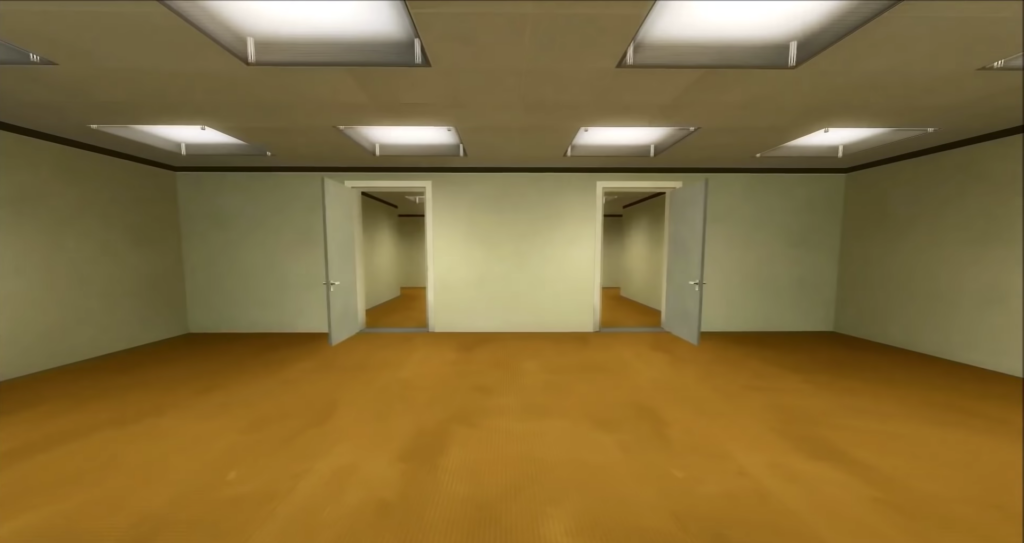
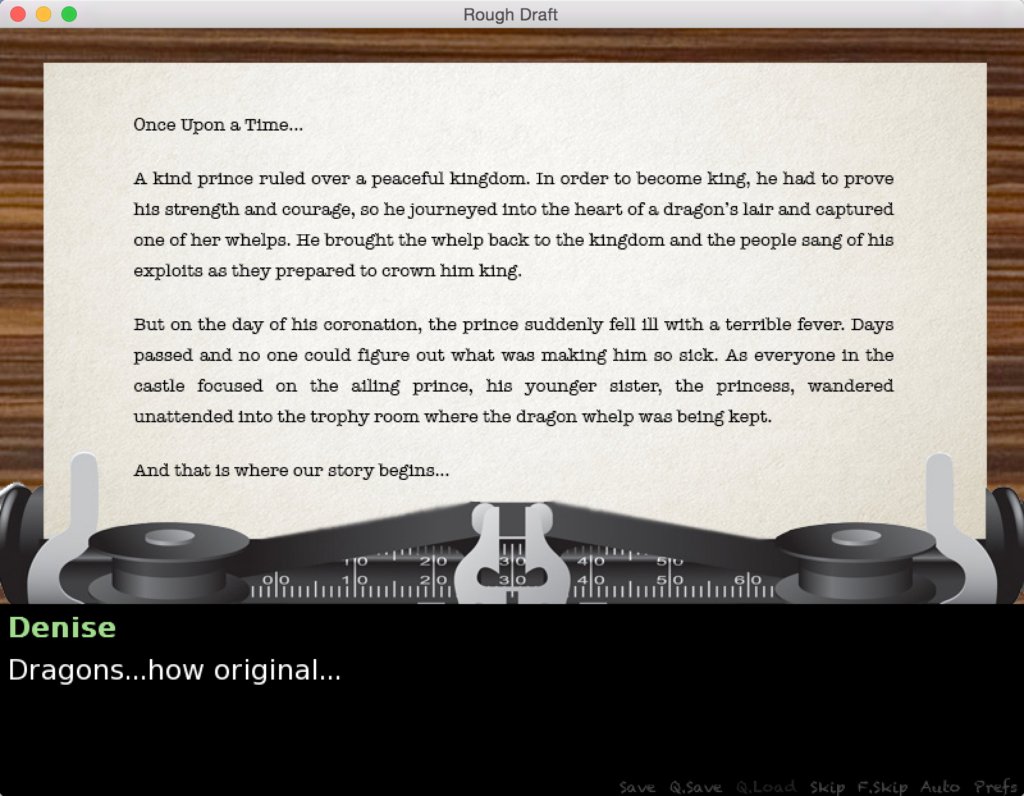
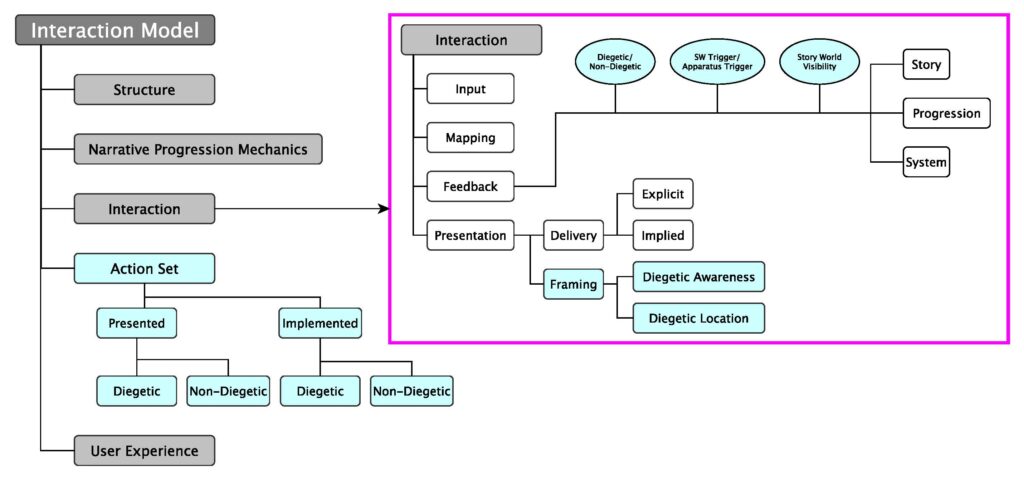
My earliest academic work examined interactive narrative gaming. Beginning with my masters work on rewind mechanics, this later broadened into in-depth examinations of agency in narrative gaming in collaboration with Dr. Elin Carstensdottir. Through qualitative and mixed methods we examined how interaction mechanics in narrative gaming impacted perceptions of agency, immersion, and engagement.
Relevant Publications:
- Carstensdottir, E., Kleinman, E., Williams, R., & Seif El-Nasr, M. S. (2021, May). ” Naked and on Fire”: Examining Player Agency Experiences in Narrative-Focused Gameplay. In Proceedings of the 2021 CHI conference on human factors in computing systems (pp. 1-13).
- Kleinman, E., Caro, K., & Zhu, J. (2020). From immersion to metagaming: Understanding rewind mechanics in interactive storytelling. Entertainment Computing, 33, 100322.
- Carstensdottir, E., Kleinman, E., & El-Nasr, M. S. (2019, August). Player interaction in narrative games: structure and narrative progression mechanics. In Proceedings of the 14th international conference on the foundations of digital games (pp. 1-9).
- Kleinman, E., Carstensdottir, E., & Seif El-Nasr, M. (2019, October). A model for analyzing diegesis in digital narrative games. In International Conference on Interactive Digital Storytelling (pp. 8-21). Cham: Springer International Publishing.
- Kleinman, E., Carstensdottir, E., & El-Nasr, M. S. (2018, August). Going forward by going back: re-defining rewind mechanics in narrative games. In Proceedings of the 13th International Conference on the Foundations of Digital Games (pp. 1-6).
- Carstensdottir, E., Kleinman, E., & Seif El-Nasr, M. (2017, November). Towards an interaction model for interactive narratives. In International Conference on Interactive Digital Storytelling (pp. 274-277). Cham: Springer International Publishing.
- Kleinman, E., Fox, V., & Zhu, J. (2016, October). Rough draft: towards a framework for metagaming mechanics of rewinding in interactive storytelling. In International Conference on Interactive Digital Storytelling (pp. 363-374). Cham: Springer International Publishing.